Apple Tree Embroidery Design Review for Craft Fairs
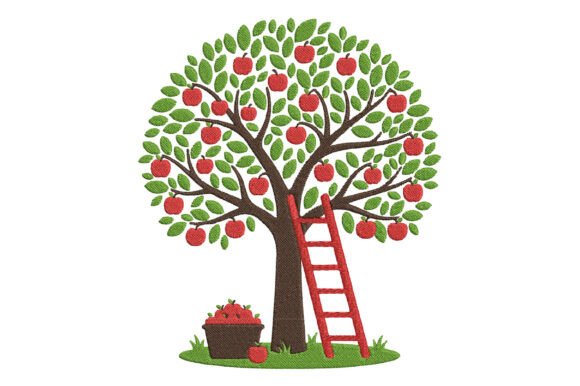
As an experienced embroidery designer preparing my booth for the upcoming weekend craft fair, I am constantly evaluating which machine embroidery design assets will translate into best-sellers. Today, I am putting the Apple Tree Embroidery Design under the microscope. With a description promising a fresh and charming touch featuring a detailed tree with ripe apples, this pattern aims to bring a natural orchard-inspired look to any project. But does it hold up when moved from a digital screen to a physical product that needs to catch a customer's eye in a crowded market?
First Impressions: Farmhouse Charm Meets Modern Detail
At first glance, the Apple Tree Embroidery Design exudes a rustic yet polished aesthetic. It feels less like a cartoonish clip art and more like a premium botanical illustration brought to life through thread. For a handmade product line, this is crucial. The "detailed tree" mentioned in the product description suggests depth, while the "ripe apples" offer pops of color that are essential for visual engagement. This design strikes a balance between the cozy farmhouse trend and a slightly more elegant, decorative style. It is not overly minimal, nor is it so busy that it loses its identity from three feet away—a common pitfall for many embroidery file purchases.
For Etsy sellers and boutique makers, this specific vibe is gold. It appeals to the demographic looking for kitchen decor, home accents, and gift items that feel personal and crafted. The "natural orchard-inspired look" positions the design perfectly for seasonal sales, particularly in late summer and autumn, but its classic nature allows it to remain relevant year-round as a staple of country-style decor.
Product Application: Where Does This Design Shine?
When planning my table display, I need to know exactly where the Apple Tree Embroidery Design performs best. Based on the visual weight of a detailed tree, here is how I plan to utilize it across various craft fair product categories:
- Kitchen Textiles: This is the strongest category. An apron embroidery placement on the bib or pocket creates a focal point that tells a story. Similarly, tea towel embroidery using this design adds a high-end touch to everyday linens. The texture of linen or cotton gauze complements the organic lines of the tree branches beautifully.
- Tote Bags and Market Bags: A tote bag design featuring the full apple tree can serve as a statement piece. If the hoop size allows, centering the tree on a sturdy canvas tote makes it a practical yet stylish shopping accessory. The contrast of red or green apples against a neutral background is highly effective here.
- Embroidered Patches: For those selling smaller accessories, turning this into an embroidered patch is a smart move. Customers love applying patches to denim jackets, backpacks, or hats. However, care must be taken to ensure the "detailed tree" does not become muddy if the patch is too small.
- Pillow Covers and Home Decor: A large-scale version of this digital embroidery file works wonderfully on pillow covers. The softness of the fabric pairs well with the whimsical nature of the design, creating a cozy atmosphere that draws buyers in.
- Caps and Small Accessories: While possible, curved surfaces like caps require careful consideration. The rounded shape of a cap might distort the vertical lines of the tree trunk if not stabilized correctly.
Production Realities: Stitch Density and Fabric Texture
As a professional reviewing this for batch production, I must address the technical side. The description highlights a "detailed tree," which often implies higher stitch density. In a real-world scenario, high density can lead to puckering, especially on lighter fabrics like tea towels or thin apron material. Before committing to a run of 50 units, I would always test the design on scrap fabric identical to the final product.
The thread colors play a massive role in the success of the Apple Tree Embroidery Design. Ripe apples need vibrant reds or yellows to pop, but if the background fabric is dark, the detail in the leaves might get lost. Conversely, on white or cream backgrounds, the design usually shines. I also need to verify the hoop size requirements. If the design is too large for a standard 4x4 hoop, it limits the types of products I can make without switching hoops mid-stitch, which slows down production time significantly for a busy weekend market.
Fabric texture is another critical factor. On a textured towel, the intricate details of the tree bark or leaves might soften. This isn't necessarily bad—it can add character—but it means the finished product will look different than the printable mockup used in the online listing. Managing customer expectations by showing real photos of the embroidery on textured goods is vital for maintaining trust as a small shop product seller.
Selling Strategy: Visual Appeal and Buyer Engagement
How does this design affect the bottom line? The Apple Tree Embroidery Design has strong visual appeal because it evokes nostalgia and warmth. In a booth setting, customers gravitate towards items that look handcrafted and thoughtful. A tote bag with a simple logo looks mass-produced; a tote bag with a detailed, colorful apple tree looks like a unique treasure.
This design increases perceived value. A plain apron sells for one price, but an apron featuring this custom commercial embroidery design justifies a higher price point due to the artistic effort involved. It serves as a conversation starter. When a customer stops to admire the "detailed tree," they are engaging with the brand. That engagement is the first step toward a sale.
Furthermore, consistency is key. Using this design across multiple product types—totes, towels, and patches—creates a cohesive brand identity. It signals to the buyer that you are a dedicated maker with a distinct style, rather than someone selling random leftovers. This consistency builds brand loyalty and encourages repeat visits to your booth or online store.
Designer Notes: Critical Checks Before Production
Before I finalize my order list for the weekend, I am running through my standard checklist to ensure the Apple Tree Embroidery Design delivers quality results:
- Test Run: Always stitch out a sample on the exact fabric intended for sale. Check for tension issues, especially around the dense areas of the apples and leaves.
- Stabilizer Selection: Do not skimp on the stabilizer. For towels and heavy canvas, a cut-away stabilizer is often necessary to prevent distortion over time.
- Color Contrast: Ensure the thread colors chosen provide enough contrast against the fabric. Subtle greens on a light green background might look unfinished.
- Licensing Verification: Confirm the commercial license terms. As a seller, I need to know if I can sell the finished goods and how many units I am allowed to produce before needing an additional license.
- Mockup Creation: Create at least one real mockup for every product type. Photos of the actual stitched item sell better than computer-generated images on Etsy or social media.
- Detail Inspection: Zoom in on the "tiny details" of the tree. If the stitch count is too high for a small application (like a hat), simplify the design or choose a larger product format.
In conclusion, the Apple Tree Embroidery Design is a versatile asset that fits perfectly within the Forest and nature-inspired categories currently trending in the handmade market. With proper attention to stitch density, fabric choice, and presentation, it has the potential to become a flagship item for any embroidery business owner. Whether displayed on a rustic wooden table at a craft fair or showcased in a digital storefront, this design brings a fresh, charming touch that resonates with buyers looking for quality and character in their purchases.