Cute Cat Family Embroidery Design Review
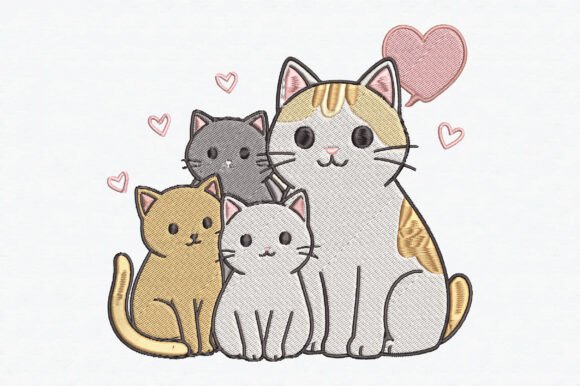
As a designer who has spent years navigating the delicate balance between digital files and physical thread, I approach every new Cute Cat Family Embroidery Design with a specific set of expectations. The market is flooded with generic animal motifs, but finding a piece that truly resonates for a small shop product or a personalized gift requires a keen eye. When I first opened this file to evaluate its potential for my upcoming holiday collection, the immediate impression was one of warmth. This isn't just a random assortment of feline shapes; it is a cohesive composition featuring an adorable cat family with soft pastel details and charming hearts. That specific combination suggests a design built for emotional connection rather than just filling space on a garment.
The Visual Personality and Mood
The mood created by this design is instantly recognizable: gentle, inviting, and undeniably sweet. In the world of Cats and Embroidery, there is often a fine line between cute and cliché. This design manages to stay on the right side of that line through its use of soft color palettes and balanced spacing. The layout feels organic, as if the family unit is interacting naturally rather than being stiffly arranged in a row. For a craft business owner looking to elevate their brand consistency, this visual personality is a significant asset. It signals quality and care, two things that drive buyer engagement on platforms like Etsy or at local craft fairs.
When I visualize this as a finished product, the soft pastel details stand out immediately. They suggest a need for high-quality thread colors to avoid that muddy look that happens when too many light shades are stitched close together without proper contrast. The inclusion of charming hearts adds a layer of sentimentality that makes this ideal for nursery decor or baby embroidery projects. It transforms a simple motif into a storytelling element, which is crucial for increasing the perceived value of any handmade product.
Real-World Application: From File to Fabric
To truly understand the utility of the Cute Cat Family Embroidery Design, I tested how it would perform in a realistic scenario: creating a custom embroidered tote bag for a boutique client. Tote bags are a staple for small shop merchandise, but they present unique challenges due to the fabric texture and the way the material moves. Upon reviewing the stitch density, I found that the design holds up well against the canvas weave typically used for these bags. The fill stitch areas appear robust enough to prevent show-through, while the satin stitch outlines provide the necessary definition to keep the cats distinct from the background.
I also considered using this machine embroidery design for sweatshirt embroidery. The softness of fleece can sometimes swallow intricate details, but the bold yet gentle lines of this cat family seem designed to pop even on textured fabrics. If you are planning to use this for custom apparel, particularly for a winter collection, the heartwarming theme aligns perfectly with the season. It works exceptionally well as a chest logo on a hoodie or as a larger back print on a crewneck. The versatility allows it to function equally well as a standalone statement or as part of a layered garment design.
For those focusing on baby items, this design is a natural fit. Imagine a pillow cover or a kitchen towel featuring this motif. The soft pastel details translate beautifully to cotton flannel or linen, materials commonly used for baby blankets and nursery textiles. The design assets here are strong enough to withstand the frequent washing that baby products endure, provided the correct stabilizer is used during the stitching process. This durability is essential for maintaining the professional presentation of your work over time.
Navigating Challenges and Limitations
While the Cute Cat Family Embroidery Design is versatile, there are specific situations where caution is required. Small hoop sizes might be a limiting factor. Because the design features a family unit with multiple elements, compressing it into a very small area could result in lost detail and increased thread breaks. Always check the recommended hoop size before committing to a tiny project like a cap patch or a small keychain. If the design is scaled down too much, the charming hearts may become indistinguishable blobs of thread.
Fabric choice is another critical consideration. On dark fabric, the pastel details mentioned in the description will require a dense underlay or a different thread strategy to ensure visibility. Without proper backing, light threads on dark backgrounds can look washed out or disappear entirely. Similarly, stretchy fabric demands extra attention. The tension required to stitch the detailed corners of the cat figures can cause puckering if the stabilizer is not heavy enough. Always test the design on scrap fabric first to see how the material reacts to the needle movement.
Layered garments also present a challenge. If you plan to embroider this on a jacket with thick seams, the thickness of the design combined with the seam allowance can create bulk. In such cases, consider using the design as an embroidered patch instead. This allows you to control the backing and placement more precisely, ensuring a flat, professional finish.
Practical Notes for the Professional Designer
Before integrating this digital embroidery file into your commercial workflow, there are several practical steps to take. First, review the stitch density carefully. High-density areas can lead to thread breakage or fabric distortion, especially on thinner materials. Adjusting the speed of your machine can help mitigate this issue. Second, confirm your thread colors. While the design features soft pastels, you may need to source specific shades to match your brand palette exactly. Testing these colors in black and white mockups can help you assess the contrast before you spend hours stitching.
Licensing is a non-negotiable aspect of using this design for a craft business. Whether you are selling finished items or offering the digital file to other makers, you must confirm the licensing terms. Ensure that the rights allow for commercial embroidery and the sale of physical goods. Many designers offer personal use licenses that strictly prohibit resale, so verifying this protects your business from legal complications.
Finally, think about the customer experience. How does this design affect customer trust? A well-executed Cute Cat Family Embroidery Design on a high-quality tote bag or sweatshirt communicates professionalism. It shows that you care about the details, from the alignment of the stitches to the choice of stabilizer. This attention to detail builds recognition and encourages repeat purchases. Whether you are creating a holiday gift, a wedding favor, or a signature item for your online store, this design offers a solid foundation for success.
In conclusion, this design is more than just a pretty picture; it is a functional tool for creators. By understanding its strengths in custom apparel and home decor, and respecting its limitations regarding scale and fabric type, you can maximize its impact. With the right preparation and execution, the Cute Cat Family Embroidery Design can become a standout piece in your portfolio, bringing joy to customers and adding value to your brand.