Geometric Embroidery Border Design Review
As a designer who has spent years navigating the fine line between digital art and stitched reality, I approach every new machine embroidery design with a mix of excitement and caution. The market is flooded with generic patterns, so finding a truly functional asset for a craft business or personal project requires a critical eye. Recently, I evaluated the Geometric Embroidery Border Design, a file promising clean lines and structured patterns. My goal was simple: determine if this design translates from a screen to fabric as elegantly as it appears in a preview, and whether it holds up under the scrutiny of real-world commercial use.
The First Impression: Structure Meets Style
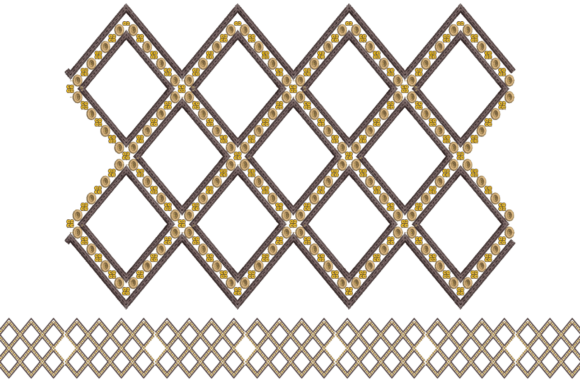
Opening the embroidery file, the immediate visual impact is one of modern restraint. Unlike many floral or whimsical borders that can feel cluttered when stitched, this design relies on balanced shapes to create a sharp and elegant look. The layout suggests a high level of precision, which is exactly what I look for when planning custom apparel or boutique merchandise. The mood it creates is sophisticated yet accessible, making it versatile enough for a high-end wedding gift or a trendy tote bag design.
What stands out most is the interplay of negative space and positive form. In digital previews, these lines often look perfect, but the true test lies in how the machine handles the transitions. The description notes that the shapes enhance the overall aesthetic, and upon closer inspection of the stitch path, it appears designed to minimize thread buildup. This is crucial for maintaining the "clean" promise of the product. If you are an Etsy seller looking to elevate your brand consistency, a border like this can act as a signature element that ties a collection together without overwhelming the main focal point.
Testing the Waters: A Real-World Scenario
To truly understand the utility of the Geometric Embroidery Border Design, I imagined a specific project: a set of premium linen kitchen towels intended for a small shop product launch. Linen has a natural texture that can sometimes interfere with intricate details, making it a challenging canvas. For this scenario, I envisioned placing the border along the hem of the towel, framing a monogrammed initial in the center.
In this context, the structured patterns of the design would provide a professional frame that elevates the finished product from a simple household item to a curated handmade gift. The geometric nature ensures that even if the fabric has a slight weave variation, the bold lines remain distinct. However, success here depends heavily on the stitch density. If the fill stitch is too dense, the linen could pucker; if too sparse, the pattern might look unfinished. As a reviewer, my advice is to always test the design on scrap fabric first, especially when working with textured materials like linen or heavy cotton blends.
This same logic applies to custom apparel. Imagine using this border on the cuff of a sweatshirt or the bottom hem of a tote bag. The sweatshirt embroidery application would benefit from the design's ability to anchor the garment visually. Customers often react positively to designs that feel intentional rather than random. A well-executed geometric border signals quality craftsmanship, increasing buyer engagement and trust in your brand.
Navigating Challenges: Where Caution Is Needed
While the Geometric Embroidery Border Design offers significant potential, it is not a universal solution for every project. There are specific scenarios where this design requires careful handling to avoid disappointing results. One major consideration is the hoop size. Geometric patterns often rely on long, straight lines that must be perfectly aligned. If you attempt to stitch this in a hoop that is too small, the design may need to be segmented, risking alignment issues that ruin the seamless flow of the border.
Another critical factor is the fabric type. On thin or stretchy fabrics, such as jersey knit for baby clothes or lightweight tees, the rigidity of the geometric shapes can cause puckering if the wrong stabilizer is used. You must ensure adequate backing support to keep those clean lines crisp. Similarly, while the design works beautifully on light backgrounds, applying it to dark fabric requires a thoughtful selection of thread colors. High contrast is essential here; a subtle grey thread on black fabric will lose the definition that makes this design special.
Curved surfaces present another hurdle. While the design is linear by nature, trying to force it onto a cap or a curved patch area can distort the angles. Unless the file includes specific adjustments for curvature, it is best reserved for flat surfaces like pillow covers, aprons, or rectangular patches. Additionally, for products that require frequent washing, such as tea towels or baby embroidery items, checking the durability of the running stitch and satin stitch edges is vital to ensure they do not fray over time.
Practical Designer Notes for Success
If you decide to integrate the Geometric Embroidery Border Design into your workflow, there are several practical steps to ensure a flawless outcome. First, never skip the test run. Stitch a sample on the exact fabric you plan to use for the final product. This allows you to inspect small details and adjust tension settings if necessary. Second, review the stitch count and density carefully. Even though the design looks balanced digitally, physical stitching can reveal areas that are too heavy for delicate fabrics.
For digital product sellers and creative entrepreneurs, consider creating printable mockups in both black and white to see how the design holds up without color distraction. This helps in evaluating the structural integrity of the shapes. When preparing for commercial embroidery, confirm the licensing terms of the digital embroidery file before selling finished items. Whether you are making personalized gifts or stocking inventory for a craft fair, understanding the rights associated with the design protects your business.
Finally, think about the end-user experience. Does this border add value to the item? In my assessment, the Geometric Embroidery Border Design succeeds because it enhances the visual appeal without dominating the piece. It provides a professional finish that suggests attention to detail. Whether you are decorating a holiday gift, creating a nursery decor item, or building a portfolio of design assets, this border serves as a reliable tool for adding structure and style.
Final Thoughts on Commercial Viability
In the competitive world of handmade goods, every element counts. The Geometric Embroidery Border Design stands out as a versatile asset that bridges the gap between modern aesthetics and traditional craft. Its clean lines and structured patterns make it suitable for a wide range of applications, from embroidered patch collections to high-end home textiles. However, its success hinges on the designer's ability to match the right stabilizer, thread, and fabric to the specific requirements of the project.
For small business owners and hobbyists alike, this design represents an opportunity to create polished, professional-looking products. By taking the time to test and refine the application, you can ensure that the final result lives up to the sharp and elegant promise of the original concept. In a sea of generic options, a well-executed geometric border can indeed be the defining feature that sets your work apart.