Flower Basket Embroidery: A Designer's Real-World Review
As a designer who has spent years curating machine embroidery design libraries for both personal projects and client work, I approach every new file with a critical eye. The market is flooded with generic patterns, but finding a piece that truly elevates a handmade product requires looking beyond the digital preview. Recently, I evaluated the Flower Basket Embroidery design, a piece marketed as a charming cottagecore floral motif. My goal was to determine if this embroidery file holds up under the pressure of real-world stitching or if it falls apart when transferred from screen to fabric.
The First Impression: Mood and Composition
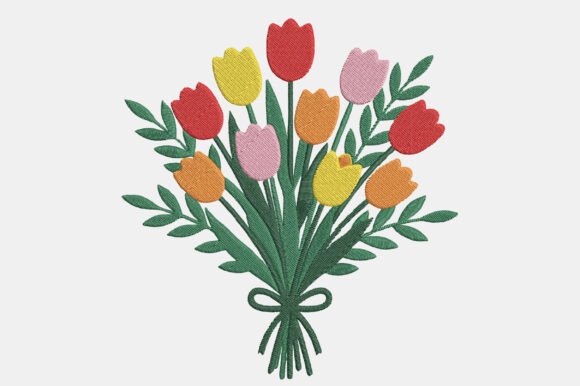
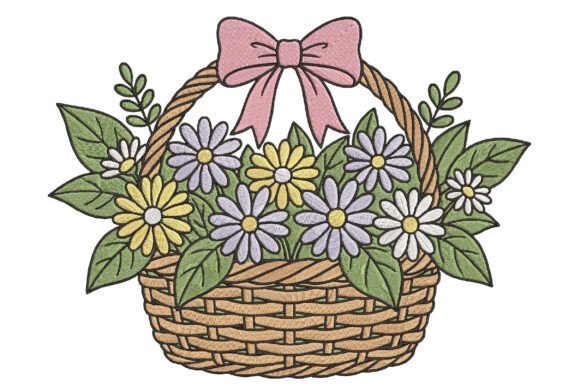
At first glance, the Flower Basket Embroidery delivers exactly what its title promises: a whimsical, woven basket brimming with colorful daisy flowers and green leaves, tied off with a cute bow on top. In the realm of Bouquets, this design leans heavily into the nostalgic aesthetic that is currently dominating the craft world. It feels like a visual snippet from a storybook garden, making it immediately appealing for brands targeting a cozy, vintage-inspired demographic.
However, as a professional, I don't just look at the pretty picture; I analyze the layout. The composition is balanced, with the basket acting as a solid anchor for the floating blooms. This structural integrity is crucial because it suggests the design will stitch out cleanly without excessive jumping or thread breaks. The inclusion of the bow adds a vertical element that breaks the circular symmetry often found in floral arrangements, giving the piece a more dynamic personality. For an Etsy seller or a boutique owner looking to create a cohesive collection, this specific visual weight makes it a strong contender for hero products.
Testing the Design: From Digital File to Finished Product
To truly understand the potential of Flower Basket Embroidery, I visualized it on several different substrates. The most promising application I identified was a custom embroidered tote bag. Imagine a sturdy canvas tote where this design sits centered on the front panel. The "woven" texture of the basket would likely utilize a mix of satin and fill stitches to create depth, while the daisies would pop against the natural beige of the canvas. This combination creates a high-value handmade product that customers are willing to pay a premium for.
I also considered how this would perform on custom apparel, specifically a heavy cotton sweatshirt. Placing the design on the chest or lower back of a crewneck sweatshirt transforms a basic garment into a statement piece. The softness of the fleece contrasts beautifully with the crisp definition of the fill stitch used for the leaves and petals. For a small shop product line, this versatility allows you to diversify inventory without purchasing new machinery or learning complex techniques.
Another excellent use case is creating an embroidered patch. Because the design has a defined border (the rim of the basket), it translates well into a standalone applique or patch format. These patches can be sold individually as personalized gifts or attached to denim jackets, backpacks, and hats, extending the life of the digital embroidery file across multiple revenue streams.
Navigating Challenges: Where Caution Is Needed
While the Flower Basket Embroidery is visually stunning, experienced designers know that not every design works on every surface. There are specific scenarios where this motif requires careful handling. First, consider the stitch density. Floral designs with intricate details like daisy centers and leaf veins can become muddy if the density is too high. If you plan to use this on a thin fabric, such as a linen shirt or a delicate tea towel, you must test the design on scrap fabric first. Without proper support, the dense stitching could cause puckering, ruining the drape of the material.
Texture is another factor. On highly textured fabrics like terry cloth or chunky knits, the fine details of the running stitch outlining the basket weave might get lost. The design relies on clarity to maintain its charm. Additionally, if you are considering using this for holiday embroidery on dark fabrics, the color palette needs adjustment. The default bright greens and pastel pinks of the daisies may require darker thread colors to ensure visibility, which changes the overall mood of the piece.
Curved surfaces, such as caps or fitted hats, present their own challenges. The rigid structure of a woven basket design does not always conform gracefully to the curve of a cap visor or the rounded crown. While it might work on the side panel, stretching the design to fit a curved area can distort the proportions of the flowers and the bow. Always check the hoop size requirements before attempting to stitch on difficult geometries.
Practical Notes for the Professional Maker
If you decide to integrate Flower Basket Embroidery into your business workflow, follow these practical steps to ensure success:
- Test on Scrap Fabric: Never skip the test run. Stitch the design on a piece of the actual fabric you intend to use to check for puckering and thread tension.
- Check Thread Colors: Verify that the provided thread colors contrast well with your chosen background. You may need to edit the embroidery file to swap out shades for better visibility.
- Use Proper Stabilizer: Given the mix of fill and satin stitches, a cut-away stabilizer is recommended for stretchy fabrics, while tear-away may suffice for stable wovens.
- Review Licensing: Before selling finished items or offering this as a digital product, confirm the licensing terms. Ensure you have the right to sell commercial goods created with this design.
- Mockup Your Products: Create printable mockups to see how the design looks in black and white or on various backgrounds. This helps in visualizing the final finished product for your marketing materials.
Impact on Brand Value and Customer Perception
Ultimately, the choice of design assets dictates the perceived value of your brand. Flower Basket Embroidery offers a level of detail that signals quality. When a customer sees a well-executed, detailed floral arrangement on a pillow cover or a baby blanket, they perceive the item as thoughtful and professionally crafted. This builds trust and encourages repeat business.
For the craft business owner, using a design that resonates emotionally—like this cottagecore-inspired basket—can significantly boost buyer engagement. It tells a story. It suggests warmth, nature, and care. Whether you are creating a wedding gift, a nursery decor set, or a limited-edition run of aprons, this design serves as a versatile tool to elevate your offerings above the competition.
In conclusion, Flower Basket Embroidery is a robust addition to any designer's toolkit, provided it is used with intention. By understanding its strengths in creating visual appeal and respecting its limitations regarding fabric types and hoop sizes, you can turn a simple embroidery project into a standout commercial success. It is not just a pattern; it is a vehicle for creativity that, when handled correctly, brings genuine joy to the maker and the end-user alike.