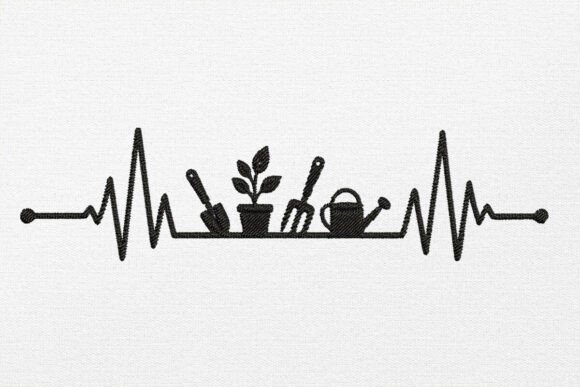
Gardening Heartbeat Embroidery Design Review
As a professional embroidery designer who has spent years translating digital files into tangible brand assets, I approach every new machine embroidery design with a critical eye. My focus is not just on aesthetic appeal but on how a file performs in the real world of small business merchandising. Today, I am reviewing the Gardening Heartbeat Embroidery Design. At first glance, this piece promises to be a versatile asset for brands looking to inject a sense of organic warmth and modern elegance into their product lines. The description highlights elegant wildflowers in a minimalist style, positioning it as an ideal choice for hoop art and DIY projects. However, for the apparel decorator or boutique owner, the question remains: does this translate effectively from a screen to a uniform, patch, or tote bag?
First Impressions: Aesthetic and Brand Alignment
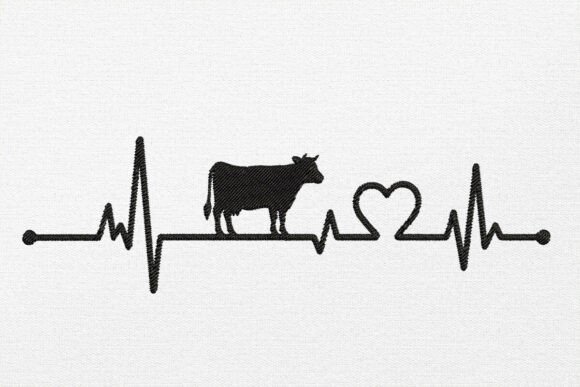
The Gardening Heartbeat Embroidery Design immediately strikes a balance between rustic charm and contemporary minimalism. The inclusion of wildflowers suggests a connection to nature, growth, and care, while the "heartbeat" motif adds a layer of emotional resonance. For a florist, a botanical skincare line, or a local café with an eco-conscious ethos, this design feels inherently aligned with their brand identity. It avoids the clutter often found in traditional floral arrangements, opting instead for clean lines that suggest sophistication.
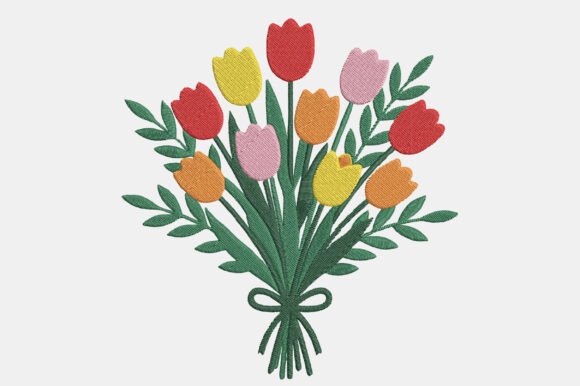
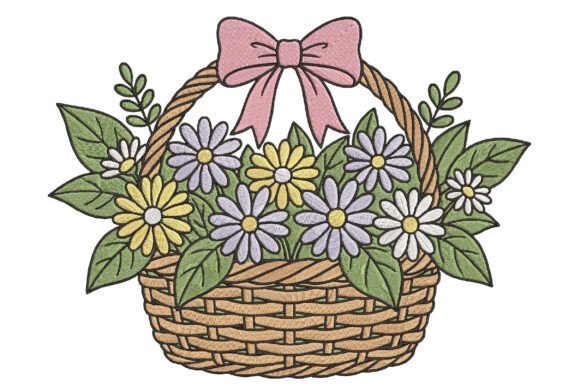
In the context of Bouquets and floral-themed merchandise, this design stands out because it simplifies complex natural forms into embroidery-friendly shapes. This is crucial for commercial applications where legibility at a distance matters. Whether applied to a staff apron or a customer gift bag, the design conveys a message of handmade quality and attention to detail without appearing overly ornate. It feels premium yet accessible, making it a strong contender for small business merch that aims to elevate perceived value.
Performance in Real-World Business Applications
When evaluating a digital embroidery file for production, I look at its versatility across different substrates. The Gardening Heartbeat Embroidery Design shows significant promise for several key applications:
- Embroidered Patches: The minimalist style of the wildflowers makes this design an excellent candidate for creating high-quality patches. Because the lines are likely clean and not overly dense, they will hold up well when cut and backed with felt or twill. These patches can serve as durable badges for event staff or decorative add-ons for denim jackets and canvas bags.
- Apron and Uniform Detailing: For bakeries, nurseries, or boutique shops, placing this design on the chest pocket or lower hem of an apron creates a subtle branding element. It acts as a conversation starter, signaling to customers that the business values craftsmanship and nature.
- Cap Embroidery: The compact nature of a heartbeat combined with stylized flowers fits well within the curved surface of a cap front. This allows for consistent branding on headwear without overwhelming the wearer's face.
- Tote Bag Design: As a central motif on a cotton tote, this design offers a large-scale visual impact. It transforms a simple utility item into a branded accessory that customers will want to carry around town, acting as mobile advertising.
The ability to use this embroidery file across such a diverse range of items—from work shirts to custom apparel—makes it a cost-effective asset for businesses scaling their merchandise offerings.
Critical Considerations for Production
While the potential is high, there are specific areas where caution is required to ensure the finished product meets professional standards. The mention of "elegant wildflowers" implies fine details that can sometimes pose challenges in machine embroidery.
Stitch Density and Fabric Texture
One of the primary concerns with floral designs is stitch density. If the wildflower petals are too thin or the spacing between elements is too tight, the design may pucker on lightweight fabrics like linen or silk blends. Conversely, on heavy textures like denim or fleece, insufficient density might result in poor coverage. Before committing to a bulk run, I always advise testing the Gardening Heartbeat Embroidery Design on the exact fabric intended for use. Using the correct stabilizer is non-negotiable here; a tear-away stabilizer might suffice for stable fabrics, but a cut-away is often necessary for stretchy materials to prevent distortion over time.
Size Limitations and Legibility
The "minimalist style" works beautifully at larger scales, but shrinking this design for tiny labels or small cap logos risks losing the delicate details of the flowers. When the hoop size is reduced, the individual stitches become more prominent, potentially blurring the image. For very small applications, consider simplifying the design further or ensuring the thread colors provide high contrast against the background fabric. Dark uniforms require careful selection of thread colors; a white or light-colored heartbeat on a black shirt demands precision stitching to avoid shadowing or visibility issues.
Durability and Washing
For items like aprons or caps that undergo frequent washing, the structural integrity of the design is paramount. Complex outlines in floral patterns can sometimes snag or fray if the backing is inadequate. Always inspect the finished product after a few wash cycles to ensure the edges remain crisp and the thread does not loosen.
Impact on Brand Identity and Customer Trust
Using a cohesive design like the Gardening Heartbeat Embroidery Design significantly impacts how a brand is perceived. In the crowded marketplace of Etsy sellers and handmade brands, visual consistency is key to building trust. When a customer sees the same elegant motif on a product label, a shopping bag, and a staff member's uniform, it reinforces the idea of a professional, established business.
This design elevates the perceived value of the products. A plain tote bag becomes a statement piece; a standard uniform becomes a symbol of company culture. It signals to the buyer that the business cares about aesthetics and quality, which often translates to higher engagement and loyalty. Furthermore, the "handmade" feel of the embroidery resonates deeply with consumers seeking authentic, locally made goods.
Practical Designer Notes for Implementation
Before integrating this commercial embroidery asset into your workflow, follow these steps to ensure success:
- Test in Black and White: First, run a test stitch in a single color to check the flow of the design and identify any potential pull or puckering before committing to multi-color threads.
- Verify Licensing: Ensure you have the proper commercial license for the Love Hands Line Art Embroidery Design or the Gardening Heartbeat Embroidery Design if they are bundled. Never assume personal use licenses cover small business merch.
- Create Printable Mockups: Generate realistic mockups showing the design on your specific products (caps, aprons, etc.) for client approval or internal review. This helps visualize scale and placement.
- Check Spacing and Hoop Size: Confirm that the design fits comfortably within your machine's hoop without requiring awkward pivoting, which can cause registration errors.
- Compare with Other Assets: Place the design next to other design assets you use to ensure the style complements your existing brand visuals.
In conclusion, the Gardening Heartbeat Embroidery Design is a robust tool for modern businesses seeking to blend nature-inspired aesthetics with professional branding. While it requires careful attention to stitch density and fabric compatibility, its potential to enhance custom apparel and create memorable brand experiences is undeniable. By following best practices in testing and application, you can turn this digital file into a cornerstone of your merchandise strategy.